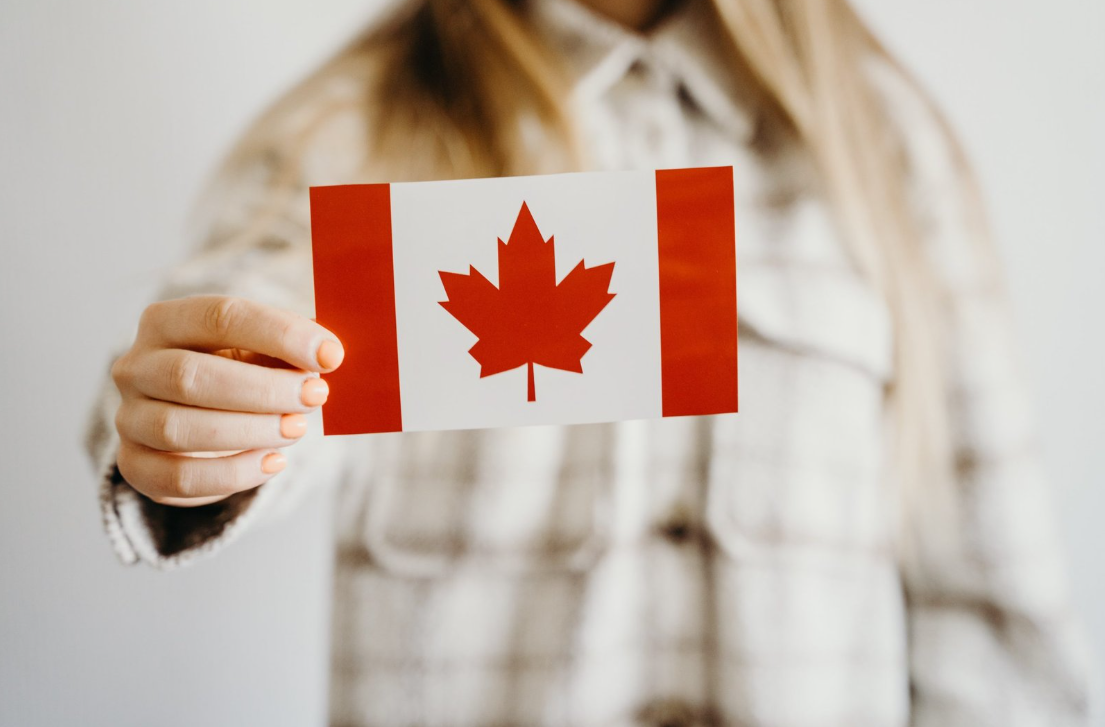
Canada is one of the most desirable countries for foreigners seeking both marriage and long-term residence. Its inclusive immigration policies, diverse culture, and strong legal framework make it possible for foreign nationals to marry Canadian citizens or permanent residents and eventually live in Canada legally. However, the process requires careful planning, understanding of the law, and compliance with immigration rules.
For foreigners, marrying a Canadian is not an automatic path to residency. There are legal, immigration, and procedural steps that must be followed. From ensuring the marriage is recognized in Canada to applying for sponsorship through the Canadian immigration system, the process can be complex but achievable.
This guide explains, step by step, how a foreigner can get married in Canada and obtain the right to reside in the country. It covers legal requirements, visa options, sponsorship procedures, and key tips to make the process smooth and successful.
Step 1: Understand Canadian Marriage Laws
Before planning a wedding, it is important to understand how marriage is legally recognized in Canada.
Legal Requirements
- Minimum age: 18 years old (16–17 with parental consent in some provinces)
- Both parties must be free to marry (no existing marriages)
- Marriage must be conducted by an authorized officiant or civil authority
- Consent: Both parties must voluntarily consent to the marriage
Canada recognizes marriages performed in the country as well as legal marriages conducted abroad, provided they comply with the laws of the foreign country and Canada’s public policy.
Types of Marriage
- Civil Marriage: Conducted by a government official
- Religious Marriage: Conducted by authorized religious leaders
- Common-Law Partnership: Cohabiting partners living together for at least 12 months may be recognized for immigration purposes, even without a formal wedding
Understanding these options is crucial for planning both the wedding and the residency application.
Step 2: Obtain a Marriage License
A marriage license is required to legally marry in Canada.
How to Apply
- Apply at the local municipal office where the wedding will take place
- Provide valid identification (passport, birth certificate, or Canadian ID)
- Pay the applicable fee (varies by province)
- Some provinces require a waiting period between application and ceremony
Provincial Variations
Marriage licenses and rules differ by province. For example:
- Ontario: License valid for 90 days, must apply in person
- British Columbia: No waiting period, both parties must provide government ID
- Quebec: Civil marriage requires documentation, religious ceremonies recognized
Step 3: Hold a Legal Wedding Ceremony
Once you have a license, the wedding must be conducted legally.
Requirements
- Ceremony officiated by an authorized person
- At least two witnesses present
- Marriage registered with the provincial government
After the ceremony, you will receive a marriage certificate, which is required for immigration sponsorship.
Step 4: Determine Eligibility for Canadian Sponsorship
After marriage, a foreign spouse can apply for residency through spousal sponsorship.
Sponsorship Eligibility Criteria
For the Canadian spouse or permanent resident sponsor:
- Must be 18 years or older
- Must be a Canadian citizen or permanent resident
- Must provide financial support for the spouse for the sponsorship period
- Cannot be receiving social assistance (with limited exceptions)
For the foreign spouse:
- Must be legally married to the sponsor
- Must be admissible to Canada (no criminal record, no health issues posing risk)
- Must provide valid identification and relationship proof
Step 5: Choose the Right Sponsorship Category
Canada offers two main pathways for spousal sponsorship:
1. Inland Sponsorship
- The foreign spouse is already in Canada
- Allows the spouse to apply for an open work permit while waiting for permanent residence
- Processing times: 12–24 months (may vary)
2. Outland Sponsorship
- The foreign spouse is living outside Canada
- Application processed through the Canadian embassy or consulate in the foreign country
- Allows travel to Canada during processing, but work permit may not be immediately available
- Processing times: 12–18 months
Choosing the right category depends on the foreign spouse’s location and career plans.
Step 6: Gather Required Documentation
A complete application requires detailed documentation to prove the marriage is genuine and meets legal requirements.
Commonly Required Documents
- Marriage certificate
- Passports and identification
- Proof of relationship (photos, emails, call logs, joint accounts)
- Police clearance certificates
- Medical examination results
- Proof of financial support from sponsor
Providing comprehensive and truthful documentation reduces the likelihood of delays or rejection.
Step 7: Submit the Sponsorship Application
Applications for spousal sponsorship are submitted to Immigration, Refugees, and Citizenship Canada (IRCC).
Steps to Submit
- Complete the required forms for both sponsor and spouse
- Pay application fees
- Include all supporting documentation
- Submit online or by mail
After submission, IRCC provides a confirmation of receipt, and the application enters processing.
Step 8: Undergo Medical and Background Checks
Canada requires all applicants to undergo:
- Medical examination by an IRCC-approved physician
- Police and security checks from all countries where the applicant has lived
This ensures the foreign spouse is admissible under Canadian law.
Step 9: Attend Interviews (If Required)
In some cases, IRCC may request an interview with the sponsor and/or foreign spouse to confirm the genuineness of the marriage.
Tips for a successful interview:
- Be honest and transparent
- Provide consistent information with submitted documents
- Demonstrate knowledge of each other’s lives and relationship
Step 10: Receive Permanent Residency Approval
If the application is approved:
- Inland applicants will receive a confirmation of permanent residence and may continue working in Canada
- Outland applicants will receive a permanent resident visa allowing travel to Canada
Permanent residence grants the foreign spouse full rights to live, work, and study in Canada. After a minimum residency period (usually 3 years within 5 years), they may apply for Canadian citizenship.
Step 11: Maintain Residency Obligations
Once permanent residency is granted, spouses must:
- Live in Canada for at least 730 days within 5 years to maintain status
- Avoid criminal activities or violations of Canadian law
- Update IRCC if personal circumstances change (e.g., divorce, separation)
Tips for a Smooth Process
- Provide accurate and honest information: Misrepresentation can lead to rejection or bans.
- Document the relationship thoroughly: Photos, chats, joint accounts, and travel records help prove the marriage is genuine.
- Understand processing times: Plan finances and accommodation accordingly.
- Consult a licensed immigration professional if needed: They can guide complex cases.
- Avoid marrying solely for immigration purposes: Fraudulent marriages are heavily penalized under Canadian law.
Challenges to Be Aware Of
- Long processing times can be stressful
- Inland sponsorship may limit travel outside Canada during processing
- Criminal or medical inadmissibility can prevent approval
- Proof of genuine marriage must be compelling