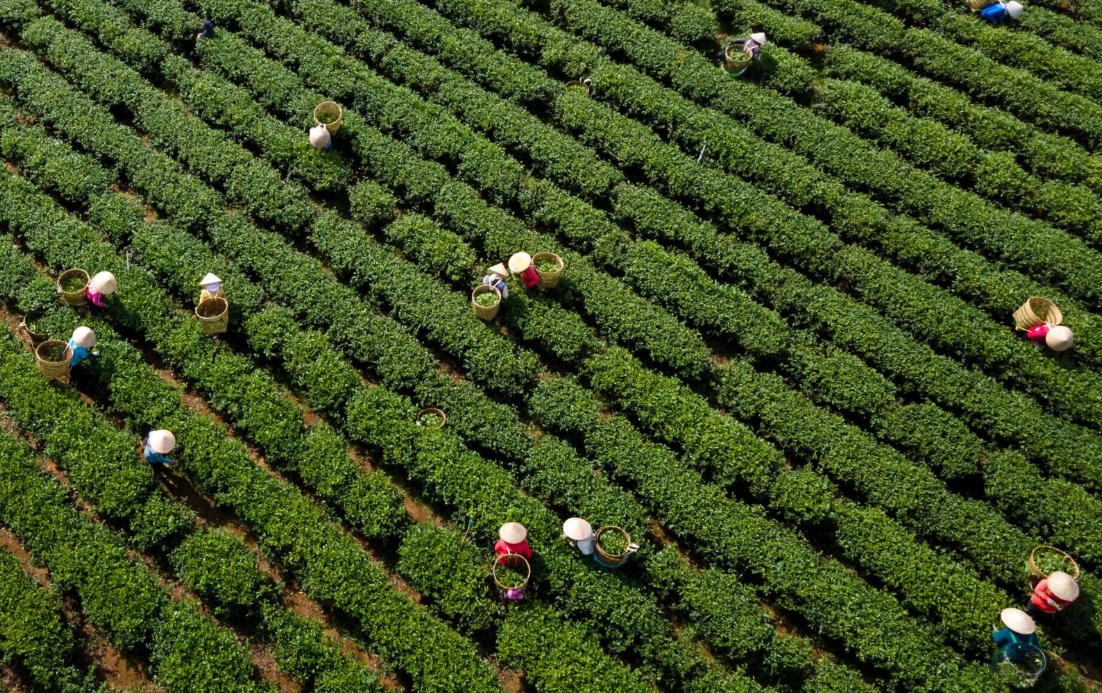
Canada’s agricultural sector is a cornerstone of its economy, producing fruits, vegetables, dairy, grains, and livestock products for both domestic consumption and export. Each year, Canadian farms face labor shortages, particularly during planting and harvest seasons. To meet these demands, the Canadian government and farm employers actively recruit foreign workers through visa sponsorship programs.
For international workers, farm jobs in Canada present an excellent opportunity to earn competitive wages, gain Canadian work experience, and potentially qualify for permanent residency. These positions do not always require formal education, making them accessible to a broad range of applicants.
In 2025, the demand for farm workers remains strong across provinces such as Ontario, British Columbia, Quebec, and Alberta. This guide provides a comprehensive overview of farm worker jobs in Canada with visa sponsorship, including job types, salary expectations, visa programs, eligibility requirements, and application tips.
Why Canada Hires Foreign Farm Workers
Several factors contribute to Canada hiring foreign nationals for farm work:
- Seasonal Labor Shortages – Harvest and planting seasons require large temporary workforces.
- Aging Domestic Workforce – Many Canadians are moving away from physically demanding farm jobs.
- Diverse Crop Requirements – Specialty crops, horticulture, and dairy farms often require skilled labor that may not be readily available locally.
- Government Support – Programs such as the Temporary Foreign Worker Program (TFWP) and Agri-Food Pilot facilitate legal employment for foreign workers.
Foreign workers play a critical role in maintaining Canada’s agricultural productivity and food supply chain.
Types of Farm Worker Jobs in Canada
Farm jobs vary depending on the type of agricultural production, skill requirements, and season. Common roles include:
1. Fruit and Vegetable Harvesting
Workers pick, sort, and package fruits and vegetables. Attention to detail and efficiency are essential for maintaining product quality.
Average Salary: CAD 15–20 per hour
Common Locations: Ontario, British Columbia, Quebec
2. Dairy Farm Workers
Dairy farm workers care for cows, operate milking machines, feed animals, and maintain cleanliness in barns.
Average Salary: CAD 16–22 per hour
Common Locations: Ontario, Quebec, Alberta
3. Livestock Workers
These roles involve feeding, cleaning, and managing livestock such as cattle, pigs, or poultry. Workers ensure animal welfare and assist with veterinary care when needed.
Average Salary: CAD 15–22 per hour
Common Locations: Alberta, Saskatchewan, Manitoba
4. Greenhouse and Horticulture Workers
Greenhouse workers plant, water, and monitor crops grown indoors, including flowers, vegetables, and herbs.
Average Salary: CAD 15–21 per hour
Common Locations: Ontario, British Columbia
5. Farm Equipment Operators
Operators manage tractors, harvesters, and other machinery used in planting and harvesting crops. Prior experience with farm machinery is beneficial.
Average Salary: CAD 18–25 per hour
Common Locations: Alberta, Saskatchewan, Manitoba
Visa Sponsorship Programs for Farm Workers
Canada provides structured pathways for foreign nationals to work on farms legally. Two main programs dominate:
1. Temporary Foreign Worker Program (TFWP) – Agricultural Stream
The TFWP allows Canadian employers to hire foreign workers for seasonal farm jobs.
Key Features:
- Requires a Labour Market Impact Assessment (LMIA) showing no Canadian worker is available.
- Positions include harvesting, planting, livestock care, and farm maintenance.
- Employment duration is typically six to eight months per year.
Eligibility Requirements:
- Must be at least 18 years old
- Physically fit for farm work
- Able to communicate in English or French (basic proficiency)
- Have a valid passport
2. Seasonal Agricultural Worker Program (SAWP)
SAWP is a bilateral agreement between Canada and countries such as Mexico and Caribbean nations.
Key Features:
- Focuses on temporary farm labor for planting and harvesting.
- Employers provide visa sponsorship, accommodation, and return flights.
- Workers can return annually and gain Canadian work experience.
Eligibility Requirements:
- Citizenship of participating countries
- Health and background clearance
- Minimum age requirement (usually 18–45 years)
3. Agri-Food Immigration Pilot
The Agri-Food Pilot targets permanent residency pathways for foreign farm workers.
Key Features:
- Workers can apply for permanent residency after one year of full-time employment.
- Includes meat processing, greenhouse, mushroom, and crop production roles.
- Employers must be designated under the program.
Salary Expectations for Foreign Farm Workers
Farm worker salaries depend on location, crop type, skill level, and employer.
Average Salary Ranges:
- Entry-level harvest workers: CAD 15–18 per hour
- Skilled livestock or machinery operators: CAD 18–25 per hour
- Dairy farm workers: CAD 16–22 per hour
Additional Benefits:
- Accommodation provided by many employers
- Return airfare covered under SAWP
- Health insurance for temporary workers
- Overtime pay during peak seasons
Working Conditions
Farm work is physically demanding and often involves:
- Long hours, especially during harvest season
- Outdoor work in varying weather conditions
- Repetitive tasks and manual labor
- Teamwork in large groups of seasonal workers
Safety training and protective gear are often provided to ensure worker well-being.
How to Apply for Farm Worker Jobs in Canada
Step 1: Research Employers and Programs
- Use official platforms such as Job Bank Canada, provincial agricultural job boards, or SAWP directories.
- Identify employers offering visa sponsorship.
Step 2: Prepare Required Documents
- Valid passport
- Resume highlighting farm experience (if any)
- Medical clearance and vaccination records
- Police clearance certificate (for certain programs)
Step 3: Apply for a Job
- Submit applications online or through authorized recruitment agencies.
- Include evidence of physical fitness and willingness to work long hours.
Step 4: Receive Job Offer and Visa Sponsorship
- Once the employer selects a candidate, they provide a formal job offer and sponsorship documents.
- For SAWP or TFWP, the employer will assist with visa processing.
Step 5: Complete Work Permit or Visa Application
- Submit documents to Immigration, Refugees, and Citizenship Canada (IRCC).
- Include LMIA (if required), medical exams, and police checks.
Step 6: Travel and Begin Work
- Employer may provide accommodation and transportation assistance.
- Arrive at the farm before the planting or harvest season begins.
Tips for Success
- Apply Early – Farm jobs are seasonal; positions fill quickly.
- Be Physically Prepared – Farm work requires stamina and endurance.
- Learn Basic English or French – Communication improves workplace efficiency.
- Follow Employer Instructions – Safety and productivity are priorities.
- Document Your Experience – Keep records for future permanent residency applications.
Advantages of Farm Worker Jobs with Visa Sponsorship
- Access to legal employment and Canadian work experience
- Competitive wages with accommodation and airfare in some programs
- Opportunity for permanent residency under Agri-Food Pilot
- Exposure to Canadian culture and professional networking
- Pathway for family sponsorship or long-term settlement
Challenges to Consider
- Physically demanding labor
- Long working hours and seasonal fluctuations
- Temporary contracts may require returning home after the season
- Limited social and recreational opportunities in rural areas